What Are FDA Category 1 Peptides and What Do They Do?
Get the clarity you need to offer FDA Category 1 peptides compliantly
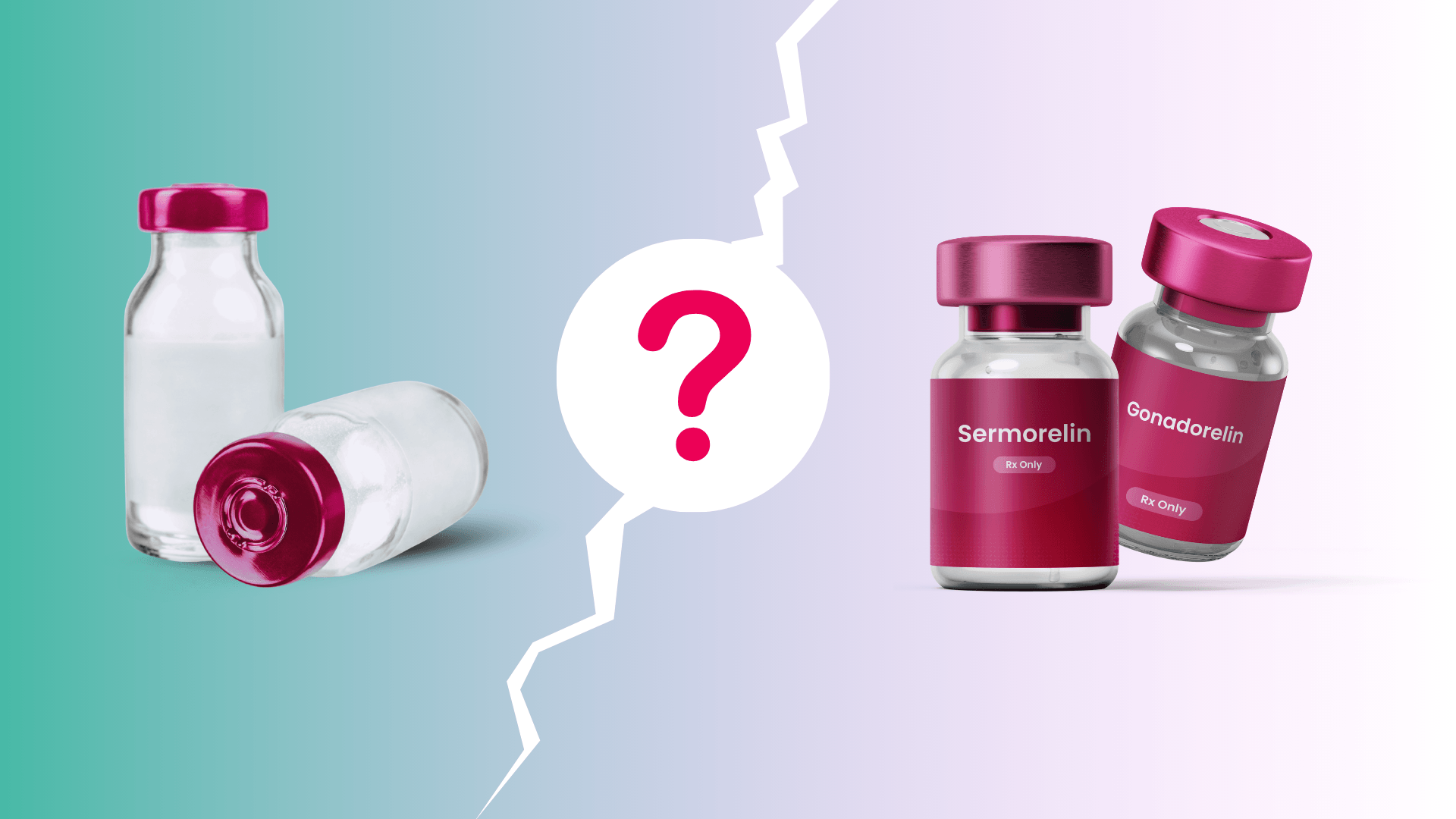
Peptides are everywhere right now. Patients are asking about them. Wellness influencers are talking about them. And healthcare organizations, from medspas to digital health platforms, are trying to figure out what they can actually offer, and how.
The regulatory picture is noisier than it needs to be. A lot of the conversation online is about which Category 2 peptides might be "coming back," however, at this point, they are still not eligible for human compounding. Category 1 is a different designation, with a different set of peptides that have sufficient safety information to allow for patient-specific compounding while under FDA review and a clearer pathway for compliant clinical programs today.
Let’s dive deeper into it.
For information on Category 2 peptides and the ongoing reclassification discussion, see our overview here.
What is a Peptide?
Peptides are short chains of amino acids, the same building blocks that make up proteins. The body produces them naturally, and they play a role in a wide range of biological processes, including hormone regulation, immune function, and cellular signaling. Synthetic peptides can also be manufactured in a lab and used in clinical settings. Some of the most well-known examples are FDA-approved medications such as insulin and GLP-1 receptor agonists.
What Does FDA Category 1 Mean?
The FDA uses a three-category system to evaluate bulk drug substances — the active pharmaceutical ingredients compounding pharmacies use to prepare customized medications. The category a substance falls into determines whether it can be legally compounded.
Category | What It Means | Can It Be Compounded? |
|---|---|---|
Category 1 | Sufficient safety information; eligible for compounding while under FDA review | Yes, with a valid patient-specific prescription |
Category 2 | Does not meet interim 503A compounding policy requirements. | No, prohibited in human compounding due to significant safety risks |
Category 3 | Insufficient data to evaluate | No, lacking enough documentation or evidence for the FDA to properly evaluate them |
Source: FDA Interim Policy on Compounding Using Bulk Drug Substances Under Section 503A — fda.gov
Category 1 designation means the FDA has enough supporting safety information to permit compounding while its evaluation continues. It does not mean a substance has been through the full FDA drug approval process.
This distinction matters for providers and patients alike.
FDA drug approval (the kind that applies to commercially available drug products) requires clinical trials, a formal New Drug Application, and rigorous safety and efficacy review. Category 1 means the substance can be compounded under the current policy framework, with appropriate clinical oversight. Compounded medications are not evaluated by the FDA for safety, efficacy, or quality.
The FDA Category 1 Peptide List: Most Commonly Offered
What is a bulk substance list?
The FDA maintains several lists of bulk drug substances, also known as active pharmaceutical ingredients (APIs), that are permitted or restricted for use in drug compounding. The FDA lists distinguish which APIs can be used to create customized medications when an FDA-approved version is not suitable for an individual patient.
What is the FDA Category 1 bulk substance list?
The FDA’s 503A Category 1 list for bulk substances covers ingredients that are eligible for use in compounding by traditional pharmacies because they are either components of FDA-approved drugs, have a USP/NF monograph or have been nominated with sufficient supporting information for evaluation.
For most healthcare organizations, the relevant Category 1 peptides are a smaller group with established historical clinical use and real patient demand. Here are the ones most commonly seen in compliant programs today.
Sermorelin
Sermorelin is a synthetic peptide that works by signaling the pituitary gland to produce and release growth hormone naturally, rather than introducing growth hormone directly into the body.
The FDA originally approved it in 1997 for growth hormone deficiency in children. While the manufacturer voluntarily discontinued it in 2008 for commercial reasons, the FDA confirmed it was not due to safety or effectiveness concerns. It remains in Category 1 today.
Benefits may include:
Hormone optimization
Body composition and metabolic support
Sleep quality and recovery
Longevity and healthy aging programs
Demand for Sermorelin is up year-over-year
Searches for "Sermorelin" increased 233% from August 2024 to August 2025 — a signal of how quickly patient demand in this space is growing. (Google Ads Keyword Planner, August 2024–2025)
Gonadorelin
Gonadorelin is a synthetic hormone that supports the body's natural hormonal production cycle. In men's health programs, it's used alongside testosterone replacement therapy (TRT) to help maintain the body's own hormonal function during treatment, something patients and providers increasingly ask about as TRT programs grow.
While initially approved for human fertility and diagnostic testing in the 1980s, gonadorelin was discontinued due to business and commercial reasons, rather than safety and efficacy concerns. Gonadorelin is available for compounding under FDA guidelines for clinical use, provided it follows current United States Pharmacopeia (USP) standards and is compounded to meet specific patient needs.
Benefits may include:
Supporting natural hormonal function during TRT
Men's health and hormone optimization programs
Women's reproductive health protocols
GLP-1 Receptor Agonists
GLP-1 receptor agonists are used in weight and diabetes management and metabolic health programs. In a 2025 poll, approximately 1 in 8 US adults (roughly 12% to 12.4%) reported currently taking GLP-1 medications, totaling over 30 million people.
Unlike Sermorelin and Gonadorelin, which often fall under different, more established compounding guidelines as Category 1 substances, GLP-1 receptor agonists can be compounded under FDA’s guidance under Section 503A framework for individual patients or if there is a temporary FDA shortage exception. This follows a separate framework from Category 1 status, with requirements that may change over time.
Healthcare organizations offering these therapies should confirm current compounding eligibility with their pharmacy partners.
Is It Legal to Offer FDA Category 1 Peptides?
Yes, within a defined compliance framework. Category 1 designation opens the door. What happens next depends on how the program is built.
The federal requirements
A valid, patient-specific prescription from a licensed provider is required
Substances must come from a licensed 503A compounding pharmacy (patient-specific) or 503B outsourcing facility
Pharmacies must meet USP 797 standards for potency, sterility, and quality — sourcing from FDA-registered manufacturers
Medical necessity must be documented; informed consent is standard practice for compounded therapies
Where state and federal requirements can conflict
Federal Category 1 status doesn't automatically satisfy state-level rules. A few examples:
California has its own pharmacy board requirements that go beyond federal standards, including additional testing and licensing for certain compounded substances
Supervision requirements vary by state; what a nurse practitioner can independently prescribe in one state may require physician oversight in another
Licensing and Shipping restrictions 503A pharmacies must be licensed in each state to ship patient specific medications, meaning some compounding pharmacies may not be able to fulfill orders to every state.
For organizations building multi-state programs, this is an operational reality.
Research vs. Human-Grade Peptide API : Key Differences and Risks
Research-Grade Peptide API
Research-grade Peptide API is not the same as human-grade Peptide API.
Peptides labeled “for research use only” typically lack the required Current Good Manufacturing Practice (cGMP) certification for human therapeutic use
Using research grade API in peptide compounding introduces meaningful risk. Healthcare organizations will likely face regulatory scrutiny, exposure, and liability due to potential harm to patients due to unverified product quality. Federal and state regulators, including the FDA and pharmacy boards, have taken enforcement action in this area.
Human-Grade Peptide API
In contrast, human-grade API used in peptide compounding must be produced in FDA-registered facilities that must follow strict cGMP guidelines regarding purity, endotoxin testing and contain detailed certificates of analysis (COAs), full traceability of materials, rigorous quality control and validation.
This section is for general informational purposes only and does not constitute legal advice. Consult qualified legal counsel for guidance specific to your organization and states.
What This Means for Your Business
Patient demand for peptide therapy is growing, and a change to Category 1 status may mean there's a clear, compliant pathway to offer these new peptide treatments. But it’s important to be knowledgeable about some of the operational complexities.
For healthcare organizations considering peptide programs, here's where the friction typically shows up:
Pharmacy partnerships — Not all compounding pharmacies meet the same rigorous standards. Vetting partners for third-party testing, API sourcing, and state licensing coverage takes expertise and time.
Multi-state compliance — Federal eligibility and state eligibility aren't the same thing. Ensure you understand and are familiar with both.
Clinical protocols — Compounded peptides require documented medical necessity, informed consent processes, and defined clinical pathways.
Regulatory monitoring — This space is actively changing. Category 2 reclassification, shortage list updates, and state-level policy shifts all affect what's permissible and when. It’s important to have the right infrastructure in place for when policies change.
Organizations that approach this compliantly are better positioned to meet growing patient demand. Those that move too quickly without the right foundation may face regulatory, operational, legal, and reputational risks.
Ready to Offer Peptide Therapy? OpenLoop Can Help.
If you plan to offer FDA Category 1 peptides, doing so within a compliant framework is critical to building a scalable program. For organizations that prefer not to build this infrastructure internally, OpenLoop provides support across key operational and regulatory components:
Access to compounded medications through licensed 503A pharmacy partners (where permitted by law)
Medically reviewed, repeatable protocols
Licensed clinician network with credentialing and oversight across all 50 states
Compliance-aligned infrastructure designed to adapt as federal and state regulations evolve
Patient support services available 24/7/365
You focus on your brand. OpenLoop handles the rest. Contact our team to get started.
This content is for general informational purposes only and does not constitute legal or medical advice. Regulatory classifications are subject to change. Consult qualified legal counsel and clinical advisors for guidance specific to your organization.