The Role of Sleep Medicine in Whole-Health Care
Why sleep medicine is a missing piece to the whole-health equation
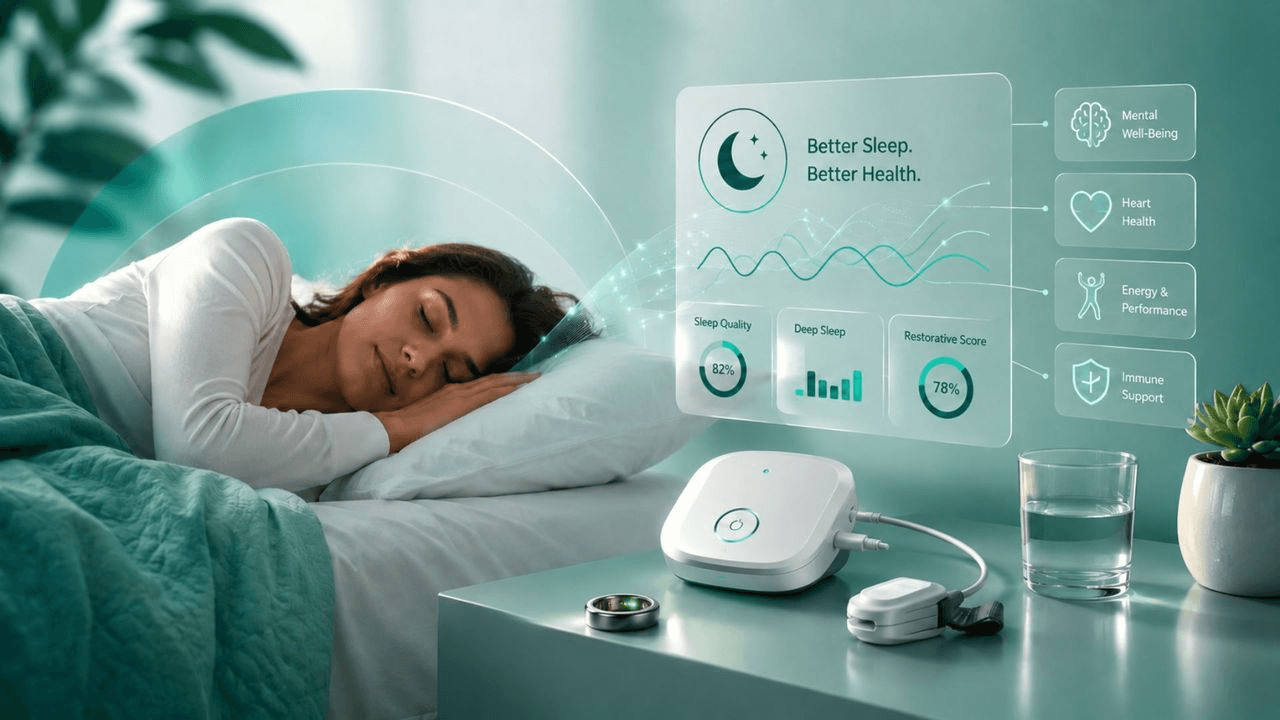
You can’t discuss the whole-health care model without also considering the importance of sleep. No matter how healthy a patient’s diet is or how dedicated they are to exercise, compromised sleep can undermine their overall well-being.
Therefore, to truly move the needle on patient outcomes, it’s crucial to understand the role of sleep medicine in whole health and why it belongs on every comprehensive wellness program’s checklist.
What is the Role of Sleep Medicine in Whole-Health Programs?
Sleep medicine, as a discipline, is relatively new, having been introduced only in the second half of the 20th century. Its goal is to encourage healthy sleep habits and to detect and treat sleep disorders that impair patients' quality of life.
As it relates to whole-health care programs, which consider how a patient’s physical, mental, social, emotional, and spiritual health affects their overall well-being, sleep medicine deserves a central place, and here’s why.
Sleep Medicine May Act as a Diagnostic Gateway
Conditions like obstructive sleep apnea (OSA) or circadian misalignment are frequently the root causes of what seems like “treatment-resistant” fatigue, hypertension, and brain fog.
By catching these issues earlier, patients can skip months of trial and error and get the right treatment faster.
Revealing The Diagnosis: HSAT and In-Lab Testing
To reach a diagnosis, patients need to be tested either in-lab or using a home sleep apnea test (HSAT). For years, in-lab testing was the go-to approach, but long wait-lists and the inconvenience of sleeping in a hospital lab led to patient hesitation and, consequently, delays in diagnosis.
HSAT overcomes these barriers by offering:
Lower costs
Shorter waiting time
Convenience/ease of use
A more comfortable sleeping environment
Each of these elements, especially when paired with telehealth, makes for a stronger, more accessible sleep program.
Disrupting the Sleep-Health Feedback Loop
Sleep medicine integrates into the whole-health care model by potentially acting as a circuit breaker in cycles that, if left unaddressed, can lead to or worsen health issues.
Examples of how these loops can manifest:
Emotional Cycle: Psychiatric conditions, like clinical depression and generalized anxiety disorder, make it harder to fall or stay asleep. Experiencing sleep deprivation also worsens mood and emotional regulation.
Physical Cycle: Physical pain can make it difficult to sleep. At the same time, poor sleep lowers a patient’s pain threshold, which can worsen pain the next day.
Metabolic Cycle: Poor sleep can disrupt hormones such as leptin and ghrelin, which regulate hunger and satiety. In one study, just one night of total sleep deprivation was enough to shift these hormones and increase self-reported hunger — and chronic sleep loss carries the added risk of weight gain over time. Those same imbalances can then make deep, restorative sleep harder to reach.
By screening for and treating sleep issues as part of routine care, sleep medicine gives whole-health programs a way to interrupt loops early, rather than continuing to treat each downstream symptom in isolation.
Supports Behavior Change
Realistically, wellness initiatives cannot expect sustainable changes in diet and physical health while ignoring sleep. Patients must understand that sleep deprivation reduces the physical energy needed for exercise and the cognitive focus required to make healthy dietary choices.
Providers who address the importance of good sleep hygiene give patients a better shot at following through on their whole-health care plan.
Helps Coordinate Multidisciplinary Care
Sleep doesn’t exist in isolation, with research showing that it shows up across cardiological, neurological, psychiatric, metabolic, pneumological, and oncological diseases. By acting as the connective layer that ties a patient's care together across different specialists, sleep medicine helps providers coordinate treatment more seamlessly.
How Does Sleep Medicine Benefit My Patients?
A whole-health program that intentionally recognizes and incorporates sleep medicine may experience numerous advantages, including improved patient outcomes, retention and better alignment with quality-of-care standards.
However, that’s only possible because of how sleep medicine benefits patients first.
By improving how programs coordinate care and how and when patients get treated, the discipline strengthens the entire model from the ground up.
Patients may experience the following:
Long-Term Prevention
When left untreated, sleep disorders may eventually lead to hypertension, diabetes, and a host of other chronic conditions. By addressing sleep issues early, patients can receive intervention that helps them avoid health problems down the road.
Significant Cost Savings
Prevention is almost always more cost-effective than treatment. Taking an HSAT, for example, might cost a few hundred dollars. But treating a heart attack, which can be driven by untreated sleep apnea, can easily cost tens of thousands of dollars in hospital bills down the road.
Improved Patient Outcomes
When sleep is treated as part of the care plan rather than an afterthought, other treatments have a better chance of working as intended.
For example, managing sleep in patients with fibromyalgia directly reduces pain sensitivity and daytime fatigue. And even when looking at weight loss, research shows that sleep deprivation triggers hormonal changes that spike appetite and drive cravings. That can make it incredibly difficult for patients to stick to their goals.
A Better Healthcare Consumer Experience
When sleep medicine is implemented and helps practitioners connect the dots on what’s affecting a patient's well-being, patients finally feel heard and seen. This type of engagement fosters trust, and trust improves treatment adherence and continuity of care.
It ultimately affects the overall patient experience, transforming a routine medical appointment into a more collaborative and supportive one.
Add Sleep Medicine To Your Whole-Health Program
An integrated care model that doesn’t include sleep medicine is a structural dealbreaker. Sleep sits at the center, enabling better diagnoses, coordinated care, and lasting patient outcomes. However, that’s only optimized when the right infrastructure is in place.
OpenLoop provides a white-label virtual care infrastructure, including HSATs, that makes sleep medicine and whole-health care more accessible than ever. Plus, combined with an expansive provider network and 24/7 availability, practices can meet patients exactly where they’re at.